The most important thing about Surfers Paradise, despite its many attractions, was that it wasn’t Canungra. Most major amongst those attractions was the bikini girls, who wandered free-range everywhere in their scanty garments. We were in constant danger of injuries caused by running into posts, tripping over kerbstones or just general neck strain from too much swivelling. They were everywhere we went, not that we went far, for all the interesting bits of the town were on a single block, and what we did mostly was walk the circuit and leer at the girls.
Of course there were pubs and cafes with sumptuous seafood platters, but even there you were so surrounded by near naked girls that disjestion, indeed even working out where your mouth was, was difficult.
There were even girls in gold bikinis employed by the local traders who went about putting coins in any expired parking meters. The waitresses all wore bikinis, and the barmaids. There was just simply no escape from them, which was rather annoying because though we were free to look, we were not allowed to touch.
These girls, all of them, were not the least bit interested in soldiers. The blokes they hung around with all wore expensive clothes and drove sports cars and had fat wallets from which they offered the girls their heart’s desire. With our short hair and crumpled clothes reaking of mothballs, we didn’t stand a chance.
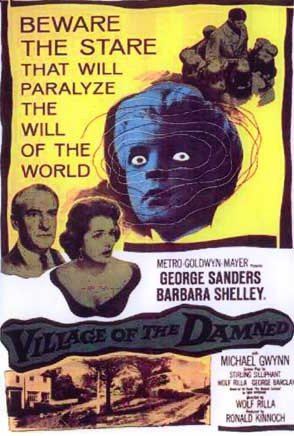
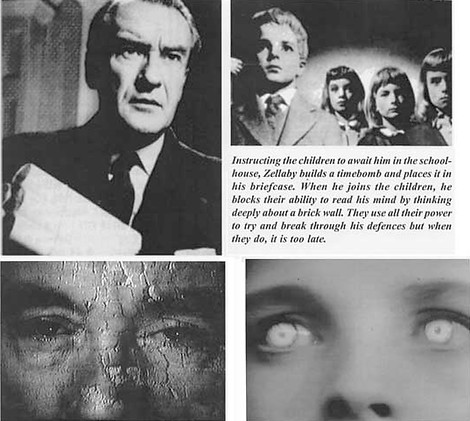
John Wyndham continued to maintain his level of excellence with The Midwich Cuckoos, published in 1957 but which I read shortly before seeing the film, released in 1960—perhaps sensibly retitled Village of the Damned—but which I saw on television in 1967. It’s not often that I agree with such changes but in this case it is understandable. Oddly, it was the only thing that was changed—the film is otherwise a perfect rendition of the book. It concerns spooky alien children inhabiting a small village where the adults are completely under their evil power. You can’t beat them because they can read your mind.
The book caused outrage in the church with its suggestion of virgin birth, moreover, alien immaculate conception, which to them meant the work of Satan. At the time, nothing was more likely to set the bishops and cardinals in a tizz than the suggestion of intelligent life on other worlds, there being no mention of any such thing in the scripture. It’s highly likely that the name change was an attempt to pacify them, although the central notion of cuckoos was also probably too difficult for American audiences.
But book and film both successfully played on that same taboo that got Freud into so much trouble, the implication of non-innocent children. In this age of street kids, drugs and schoolyard massacres, it seems ever more relevant that it did in the 1960s.