There was only one solution—the girls got out and pushed. I, of course, was behind the wheel trying to maintain control, and saw nothing, but the line-up of bottoms of underdressed wenches pushing the car must have been an awesome sight. The effect was immediate and spectacular—the traffic on Whitehorse Road went berserk, veering at each other, mounting the footpath, stopping in the middle of the road, as every young man within coo-ee gaped at the scene before them. They came running from randomly abandoned vehicles in all directions to help, at least twenty of them, and fought to demonstrate their muscle power by pushing the car right to the top of the hill—where the downside allowed me to get the engine running again—while the girls’ wriggled and beamed their appreciation.
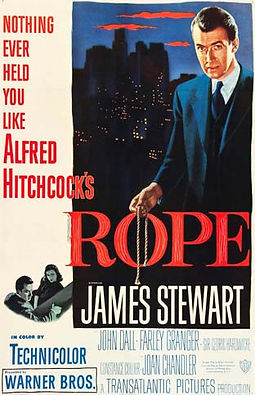
America was shocked when a couple of rich kids named Leopold and Loeb murdered another boy just for the fun of it. Hitchcock had dealt with the matter in his strange little film Rope, but it got a more serious outing in the book and subsequent film Compulsion, by Meyer Levin. It was supposed to delve into the psychology of the crime but Dean Stockwell and Bradford Dillmn were never really able to make these real life charcters believable.
Proceedings brightened up in the second half when Orson Welles turned up doing a Clarence Darrow type defence lawyer. Privileged kids whose upbringing convinced them that they could get away with murder but, of course, they couldn’t. At least, not in fiction. The book was fascinating rather more because of the way it completely missed its own point—that the pair would have got indeed got clean away with it had their families wanted it so. A depiction of a naïve age that never really existed.