Sometime in 1964, a chap named Donny Ruddock—who was an A-grade player at weekends—worked in the same insurance office I did. He was obsessed by the game but, while lightning fast and superbly skilled, was simply too short to be really successful. He played for three different teams, trained two nights and all weekend but, because his Thursdays were left free, he managed to cajole a number of us to form a team. He signed us up for the Business Houses Competition, played in the eight-court stadium built at Albert Park for the 1956 Olympics, and we started in G-grade, after just one training run the week before. I little suspected this activity would occupy all of my Thursday nights (unless I was out of the country) for the next 17 years. Until that night, I, and the rest of the team, had never played the game before.
Beneath long, slender wings, tapered like fingers of a Horowitz, Goldfarb Agonistes stood attentive in his space suit, a sad-eyed lemur embattled. Engines hummed throatily, sipping rich mixtures of octane and oil. We are ready, they crooned, we are ready. The horizon bulged pink with the promise of dawn and runway lights held filaments at ‘Present Arms’. Take off, John Goldfarb, take off, whispered the lights; we tire; we are mass-produced and need sleep…
Engineers scampered like discovered crickets, pulling away chocks and buzzing portentously…
At last, at last, blinked the runway lights, and farewell, farewell, as the U-2 plane lifted into the flat air of promise; then they all turned and glowered at a light that said, `Arrivederci!’ A leader of the lights hinted at reprisal. The windsock said nothing.
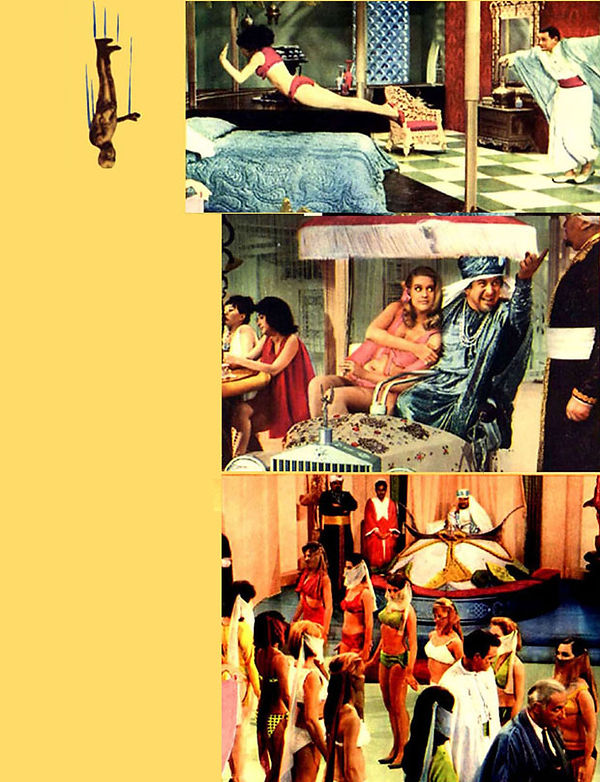
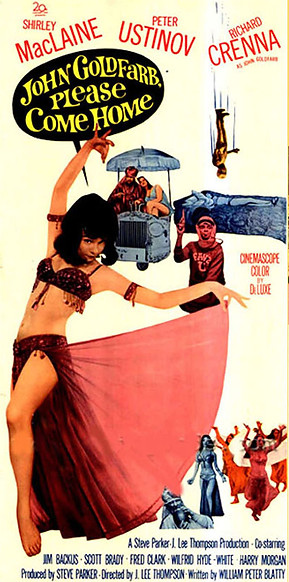
In 1965, the Americans made a very silly film called John Goldfarb Please Come Home, which is hugely funny and might be the only film about American football watchable outside the United States. The hero is Wrong-way Goldfarb, famous for his touchdown at the wrong end of the field, now he has spied on the wrong place from his U2 and then made an exceedingly embarrassing forced landing on the wrong side of the planet. The film was dominated by Peter Ustinov’s gibberish-babbling, golf-buggy borne Sultan—a man who truly knew what to do with limitless wealth; the surrounding desert that continually sprouted oil geysers at unexpected moments, and the American officialdom who were all played by dim-witted Jim Backus types, which might have been nearer the truth than all the conspiracy theories.
Best of all, the producers got sued by Notre Dame College for saying such outrageous things about their sacred grid-iron team—which fitted neatly with the spirit of the occasion—and anyway all that got deflected by the even more scandalous publicity exploiting Shirley MacLaine’s efforts at belly dancing. It wasn’t a great movie but it was a hell of a lot of fun. The book lacked only the fine actors acting crazy but almost made up for it with its talking machines and the author’s mock-eloquent language and absurdly misplaced literary references. But William Peter Blatty wouldn’t really make it big until a few years later when he changed his spots and traded writing comedy for horror with The Exorcist.